
Barnstable County City Directory Collections
The useful historical shelf is scattered among state, library, digital, and local-history collections. The State Library identifies Barnstable directories for 1895, 1901, and 1926, and its local-resources guide also points to town reports, maps, atlases, newspapers, and Sanborn maps. NARA’s 1930 directory guide identifies countywide Barnstable/Falmouth directory holdings for 1903, 1908, 1926, and 1929, with other Cape towns included. These are holding trails, not a promise that every volume is online or that every town appears in every edition.
| Collection | Years identified | Where held | Access route |
|---|---|---|---|
| Barnstable directories | 1895, 1901, 1926 | Massachusetts State Library holdings | Confirm the title, volume, page, and access details with the repository |
| Cape countywide directory holdings | 1903, 1908, 1926, 1929 | NARA directory holdings guide | Use the guide to locate the named repository |
| Cape Cod resident, street, and business directory | 1901 | Digital Commonwealth | Free online object with 11 sheets and IIIF manifest |
| West Barnstable historical indexes | Before 1950 through 2000-2006 groupings | Whelden Memorial Library | Local index and original materials at the library |
Record the exact year before drawing a conclusion. A city directory is a dated publication, and an entry can reflect a head of household, subscriber, business, or place label rather than every person at an address.
Barnstable County Directory Years at State Repositories
The Massachusetts State Library local-resources guide describes the kinds of material that sit beside city directories: town reports, maps, atlases, Sanborn maps, newspapers, and local-government publications. Its listed Barnstable holdings also include voting lists for selected years from 1924 through 1988. A town report can identify annual officers, committees, public works, or school matters, but it is not a substitute for a directory or a voter list. Use each document for the relationship it actually records.
The NARA city-directory guide is especially helpful when a Cape publication has a regional title. It places Barnstable/Falmouth material in a countywide holdings trail, but access and copying details belong with the repository named by NARA. Preserve the publication title, town coverage, volume, and page in notes. That small citation detail prevents a Cape-wide heading from becoming an unsupported countywide claim.
The State Library’s town-report listing adds Barnstable reports for 1859, 1860, 1862-1867, 1868-1998, 2000-2009, and 2014-15. These reports can supply officer names, committee membership, public works, school information, and other dated civic context. They are supporting sources, not replacements for a city directory entry or an official voter record. Keep the document title and report year alongside every extracted detail.
- 1895: a Barnstable directory year identified in State Library holdings.
- 1901: the State Library holding year and the Digital Commonwealth Cape Cod directory object.
- 1903 and 1908: Barnstable/Falmouth countywide directory holdings identified by NARA.
- 1926: both State Library Barnstable and NARA countywide holdings point to this directory year.
- 1929: NARA identifies another countywide Barnstable/Falmouth holding.
| Alphabetic directory | Organizes entries by person or business name when the volume uses that arrangement. |
|---|---|
| Street or house guide | Organizes entries by street when that section is present, useful for a dated address question. |
| Town report | Annual civic material that can add local context without proving current residence. |
| Holding guide | A route to a volume or repository, not necessarily a digitized and searchable copy. |
The 1901 Cape Cod City Directory
The Digital Commonwealth 1901 Cape Cod directory is a searchable visual source described in its metadata as a complete resident, street, and business directory with town officers, schools, societies, churches, post offices, and census material. The object contains 11 sheets and supplies an IIIF manifest. Its town coverage is concentrated in Provincetown, Truro, Wellfleet, Eastham, Orleans, and Brewster. That concentration matters: a Cape Cod title does not mean every Barnstable County town has an entry in the scan.
The Digital Commonwealth item shown below displays the object and metadata for this Barnstable County city directory research route.
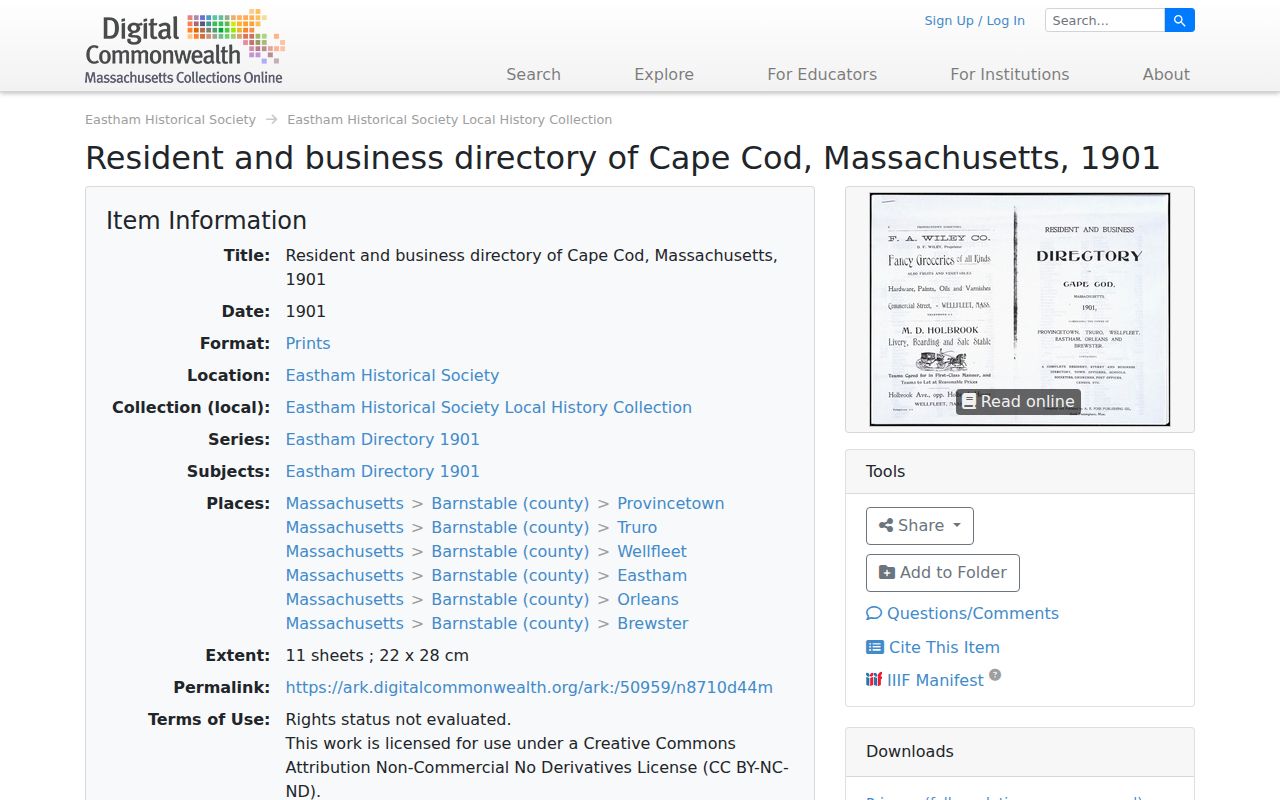
Use the item-level citation and rights information with any transcription. The research did not verify every printed entry column or abbreviation key from a page image, so inspect the relevant sheet before interpreting initials or labels.
Barnstable County Directory Leads
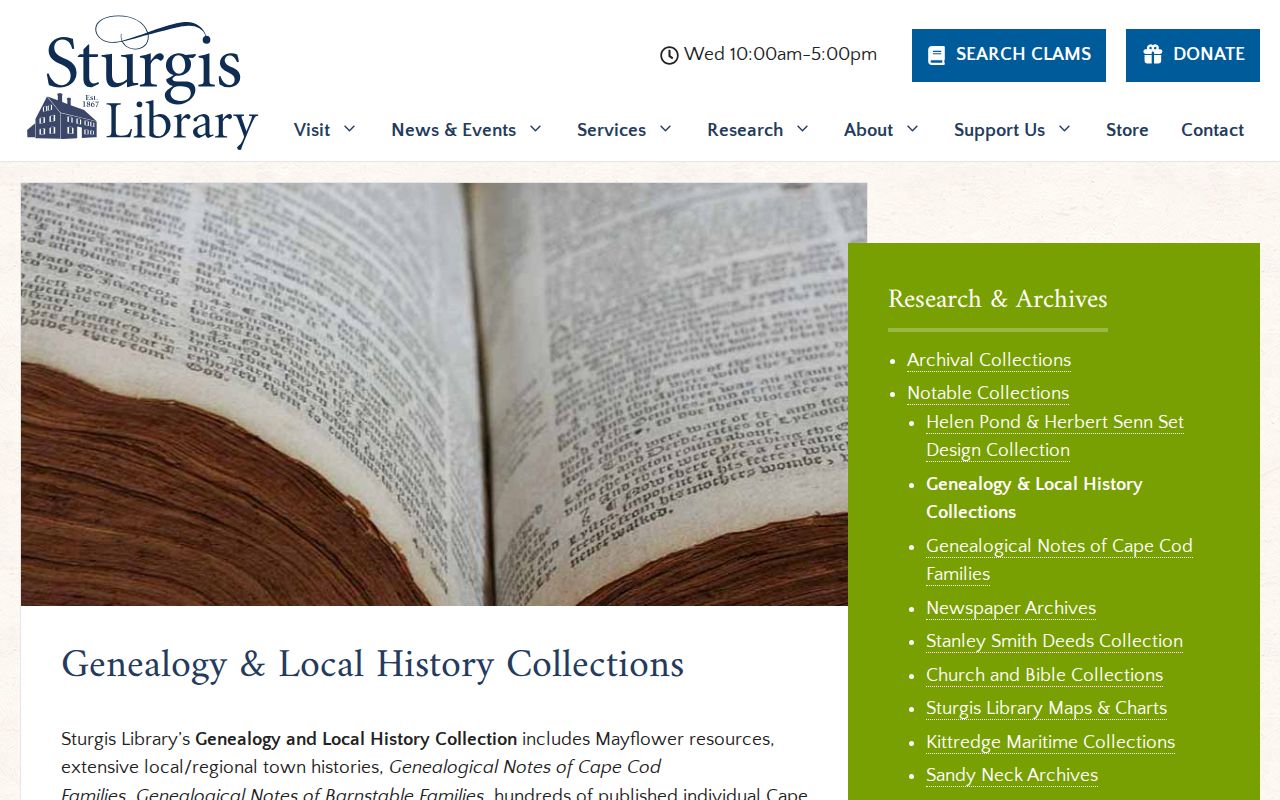
Sturgis Library, at 3090 Main Street in Barnstable, has a countywide genealogy and local-history role. Its collection includes regional town histories, Cape Cod and Barnstable family genealogies, military records, probate indexes, Massachusetts vital records, and local history. The library’s research-resources page points to the Registry’s Recorded Land index and warns that the Land Court name index is incomplete. Contact curatorial staff in advance for specialized work. Sturgis recommends two weeks’ notice for research appointments and asks commercial researchers to contact staff about fees.
The Sturgis genealogy and local-history collection guide is shown below. It is a finding aid for people-and-place research, not a current resident roster.
Whelden Memorial Library in West Barnstable indexes people, homes, businesses, organizations, cemeteries, and events, with subject volumes ranging from before 1950 to 2000-2006. Staff can start a search, but do not perform extensive research, and one listed 2000-06 volume is described as unavailable. The original material remains at the library.
The Barnstable Historical Society, founded in 1939, preserves documents and artifacts at 3087 Main Street in Barnstable. Its collection can provide context for local families and institutions that a printed directory omits.
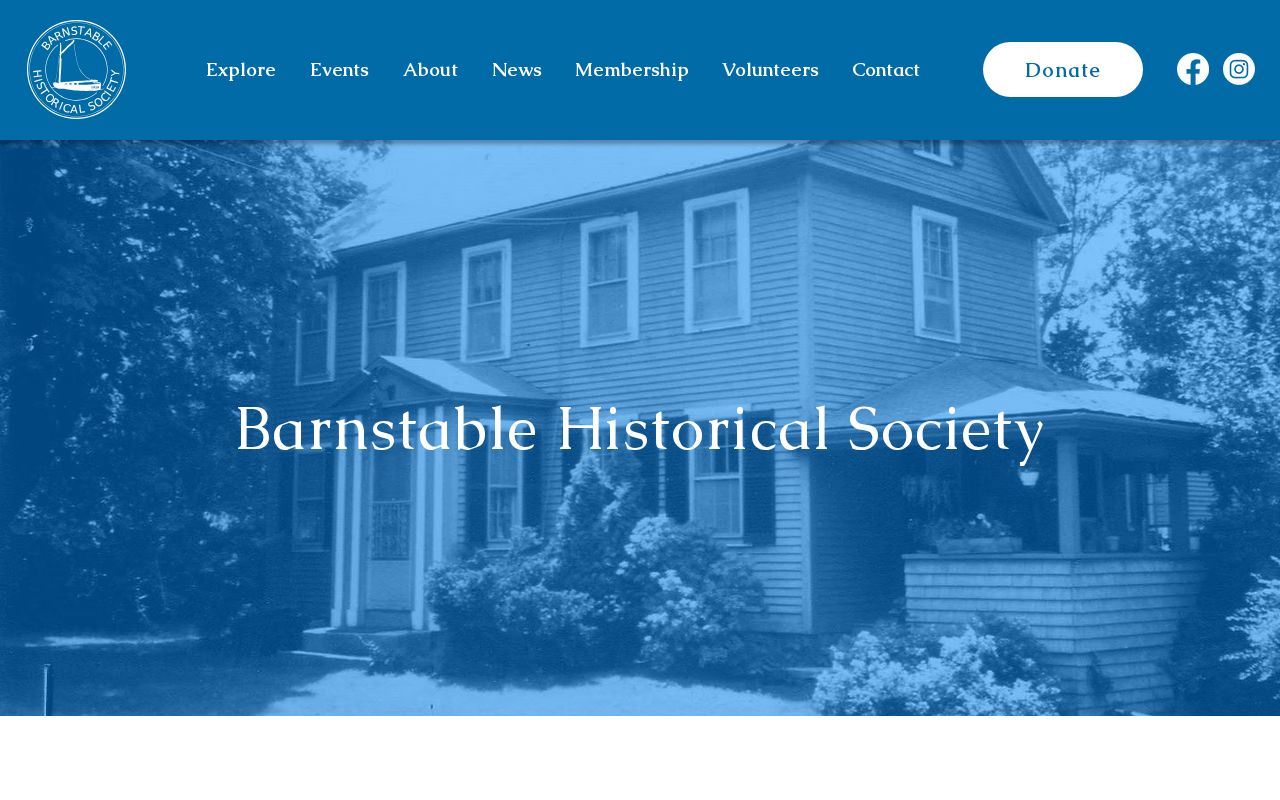
These local collections preserve the human layer that does not appear in a modern portal. Cite the finding aid or the underlying document separately when using either as evidence.
Read a Barnstable County City Directory Entry
A directory entry must be read as a publication record from a particular year. The exact format varies by volume. The research confirms resident, street, and business sections in the 1901 object, while the State Library notes that directories can be alphabetic by resident or business, arranged by street, and accompanied by advertisements or house guides. Capture the page heading as well as the line itself. A village heading, local abbreviation, or business landmark can matter as much as the name.
| Name or business | Copy the spelling, initials, and any visible role exactly before expanding a name. |
|---|---|
| Town or village heading | Shows the locality wording used by that edition. |
| Street or address | Use it as a dated location lead, not proof of ownership or present occupancy. |
| Occupation or descriptor | May help separate same-name entries where the volume prints it. |
| Page and publication year | Creates a reproducible citation to the scan or physical volume. |
- Criss-cross directory
- A street-order section, when a directory includes one, rather than the alphabetic portion.
- Householder index
- An index organized around a household or address; confirm the volume’s own labeling before relying on it.
- Abbreviation key
- The volume’s explanation of shortened terms, often needed before interpreting an entry.
Do not turn an initial into a full identity without corroboration. Historical records often have same-name people, incomplete coverage, and inconsistent town labels.
Map a Barnstable County Directory Address
A city directory and a map serve different purposes. The January 1906 Hyannis Sanborn Fire Insurance Map has six sheets that can show a building footprint, street alignment, use label, lot shape, and nearby landmark. It can explain why a directory address appears under a village or business name. It cannot establish a deed, an occupant, or a complete household. For nearby towns, the research also identifies Sandwich historic maps and Falmouth Public Library special collections with directory and Sanborn holdings.
Historical absence is weak evidence. Rural homes, seasonal people, boarding houses, and unlisted households may not appear. A missing entry can also follow a change in coverage, abbreviation, street root, or village heading. Note: pair a directory result with a map year and a second source before making a person-place conclusion.
Trace Barnstable County Households by Year
Use city directories as a chronology. Start with a known person, street, occupation only as a descriptor, town, and date. Then locate the correct holding before assuming a scan exists. The historical route pairs a directory with the scan or catalog record, a map for street context, and a source such as a Registry instrument, probate item, town report, cemetery record, or newspaper. The goal is to say what the source shows for its date, not to flatten a family history into a single undated assertion.
- Choose the edition closest to the question and confirm which towns it covers.
- Record the printed spelling, page, heading, address, and any descriptor exactly as published.
- Check a second directory year or the relevant census period, keeping the gap between dates visible.
- Use a Sanborn sheet or atlas to interpret the street and building context for the same period.
- Corroborate the people-place link with an underlying archive, Registry item, probate record, cemetery record, or town report.
A disappearance may mean a move, death, omission, or a changed publication practice. The State Archives, town clerks, and local repositories hold different record periods, so follow the date and record type rather than expecting one directory to settle the question.
For a census companion, the Sturgis Barnstable County Census Records finding aid covers 1850, 1860, 1870, and 1880 handwritten originals for county towns. Its town coverage is incomplete, and the writing can require careful transcription. The finding aid also notes agricultural, industrial, death, and social-statistics material. Use it to test a dated directory lead, not to fill a gap by assumption.
Barnstable County Records Beyond Directories
The 1827 courthouse fire destroyed all but one of 94 early Barnstable deed volumes. The later Town Books and re-recorded instruments can bridge that loss, while recorded land, Land Court, probate, town-clerk material, and libraries each preserve a different layer. This history explains why a city directory, a deed index, and a manuscript source can all show different dates without one necessarily being wrong. For an address-based modern record chain, use the Barnstable County street-by-street record route after the historical listing is identified.